Best Scone Recipe-Sweet or Savory Delights
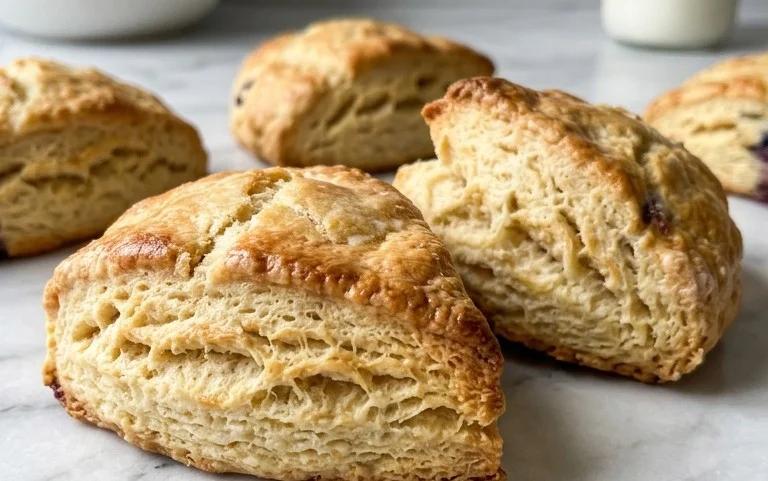
The Best Recipe for Scones (Sweet or Savory) is about to become your new kitchen obsession! There’s something incredibly comforting about a perfectly baked scone, isn’t there? That delightful balance of a slightly crisp exterior giving way to a tender, crum extractbly interior is pure bliss. Whether you’re dreaming of a sweet treat to accompany your afternoon tea, perhaps studded with plump berries or a hint of lemon zest, or craving a savory delight perfect for breakfast or alongside a hearty soup, this recipe delivers. What truly sets this best recipe for scones apart is its incredible versatility and foolproof method. You’ll be amazed at how simple it is to create these versatile delights that can be customized endlessly to suit your mood or occasion. Get ready to master the art of the perfect scone – your taste buds will thank you!
Ingredients:
The Ultimate Scone Recipe: Sweet or Savory Bliss
Let’s be honest, the word “scone” can conjure up a wide range of images, from dry, crum extractbly disappointments to delightfully tender, flavorful bites. Today, we’re aiming for the latter. This recipe is my go-to for a reason: it’s incredibly versatile, allowing you to pivot from a sweet, dessert-like scone to a more savory, brunch-appropriate treat with just a few simple adjustments. The secret lies in the foundation: a carefully balanced ratio of ingredients that guarantees a tender crum extractb and a beautiful rise. Forget tough, dense scones; we’re embarking on a journey to scone perfection!
The key to incredible scones is cold ingredients, especially your butter and cream cheese. This might sound counterintuitive, but it’s crucial for achieving that desirable flaky texture. When cold butter hits the heat of the oven, it melts and steams, creating pockets of air that lift the dough and result in layers of tenderness. We’re going to leverage this principle throughout the recipe.
Preparing the Scone Base
1. First, let’s get our dry ingredients in order. In a large mixing bowl, whisk together the 2 & 1/2 cups of all-purpose flour, 1/2 cup of granulated sugar (if you’re leaning towards savory, you can reduce this to 2 tablespoons or even omit it entirely), 1/2 teaspoon of kosher salt, and the crucial 1 & 1/2 tablespoons of baking powder. Yes, that might seem like a lot of baking powder, but trust me, it’s essential for that signature lift and lightness that defines a truly great scone. Whisking these ingredients together ensures they are evenly distributed, which will lead to a consistent rise in your scones.
2. Now for the fat. Take your 1/2 cup of COLD butter, and if you haven’t already, cut it into small cubes. The colder the better; frozen butter is actually fantastic here. Add these cold butter cubes to the dry ingredients. Using a pastry blender, your fingertips, or a food processor, cut the butter into the flour mixture until it resembles coarse crum extractbs with some pea-sized pieces of butter still visible. These larger pieces of butter are what will create those delightful flaky layers. Don’t overwork the dough at this stage; we want distinct pieces of butter to remain.
3. In a separate small bowl or liquid measuring cup, whisk together the 1 large egg, 2 teaspoons of vanilla extract, 1/3 cup of heavy cream, and 1/3 cup of sour cream. The sour cream adds a wonderful richness and tang, contributing to a tender crum extractb. Make sure your heavy cream and sour cream are also cold.
Bringin extractg It All Together: The Dough Formation
4. Pour the wet ingredients into the bowl with the dry ingredients and butter. Using a fork or a spatula, gently mix everything until just combined. The dough will be shaggy and a little sticky – this is exactly what we’re looking for. Avoid overmixing, as this can develop the gluten in the flour too much, leading to tough scones. If you’re making savory scones, this is the point where you would gently fold in your desired additions, such as grated cheese, chopped herbs (like chives or rosemary), or even small pieces of cooked beef bacon. For sweet scones, you might fold in berries, chocolate chips, or dried fruit.
5. Turn the shaggy dough out onto a lightly floured surface. Gently bring the dough together with your hands, patting it into a round disc about 3/4 to 1 inch thick. Don’t knead it; just press it together until it’s cohesive. You can use a biscuit cutter or a sharp knife to cut out your scones. For a rustic look, you can simply cut the disc into wedges. If using a cutter, press straight down without twisting to ensure clean edges, which also helps with a better rise.
Baking and Finishing Touches
Preheat your oven to 400°F (200°C) and line a baking sheet with parchment paper. Arrange your cut scones on the prepared baking sheet, leaving a little space between them. For a beautiful golden-brown finish, brush the tops of the scones with a little extra cream.
Bake for 15-20 minutes, or until the scones are golden brown and a toothpick inserted into the center comes out clean. The baking time will vary slightly depending on the size of your scones.
Optional Cream Cheese Glaze for Sweet Scones
While your scones are baking, let’s whip up an optional, but highly recommended, cream cheese glaze for those who want to take their sweet scones to the next level. In a medium bowl, combine the 1 (8-oz) package of COLD cream cheese (chopped into smaller pieces so it’s easier to beat), 2 tablespoons of very soft butter, and 1/2 teaspoon of vanilla extract. Beat with an electric mixer until smooth and creamy. Gradually add the 1 & 1/2 cups of powdered sugar, beating until well combined and the glaze reaches your desired consistency. If it’s too thick, add a tiny splash of milk or cream; if it’s too thin, add a little more powdered sugar.
Once the scones are out of the oven and have cooled slightly, you can drizzle this luscious glaze over the tops. If you’re feeling extra decadent, you can even roll your scones in a mixture of 1/3 to 1/2 cup sugar before baking for a delightful crunchy exterior.
Enjoy your freshly baked, perfectly tender scones! They are absolutely divine served warm, either on their own or with your favorite accompaniments.

Conclusion:
I hope you’re as excited as I am about this versatile best recipe for scones! Whether you crave a sweet treat or a savory delight, this recipe delivers. Its simplicity allows for endless customization, ensuring a perfect scone for any occasion. The key to their success lies in proper technique and quality ingredients, resulting in a light, tender crum extractb with a delightful crust. Don’t be intimidated; baking scones is incredibly rewarding, and with a little practice, you’ll be a scone master in no time. Get ready to impress yourself and your loved ones!
These scones are fantastic on their own, but they truly shine when paired with complementary flavors. For sweet scones, imagin extracte them warm with a dollop of clotted cream and your favorite jam, or perhaps a drizzle of honey. Savory scones are wonderfully served alongside soups, stews, or alongside a cheese board. Feel free to get creative with variations! Add chocolate chips, dried fruits, or a hint of citrus zest to your sweet dough. For savory options, consider incorporating grated cheese, fresh herbs, chopped beef bacon, or even finely diced roasted vegetables. I encourage you to dive in and experiment with this foundational best recipe for scones – the possibilities are truly limitless.
Frequently Asked Questions:
Why are my scones tough?
Tough scones are often a result of overmixing the dough. Once you add the liquid, mix only until just combined. Overworking the gluten in the flour will lead to a dense, chewy texture rather than the desired light and tender crum extractb.
Can I make this recipe ahead of time?
Yes, you can prepare the dough up to the point of shaping and baking. Wrap the shaped scones tightly in plastic wrap and refrigerate for up to 24 hours. You can also freeze shaped scones on a baking sheet until firm, then transfer them to a freezer-safe bag for up to a month. Bake directly from frozen, adding a few extra minutes to the baking time.
What is the difference between scones and biscuits?
While similar, scones typically have a richer dough, often including eggs and a higher fat content (like butter or cream). They also tend to be slightly sweeter and are often served with sweet accompaniments. Biscuits are generally lighter and flakier, with a less rich dough, and are more commonly served with savory dishes.
Best Recipe for Scones (Sweet or Savory)
A versatile scone recipe that can be adapted for sweet or savory variations, with a delicious cream cheese glaze.
Ingredients
-
2 1/2 cups all purpose flour (spooned and leveled)
-
1/2 cup granulated sugar
-
1/2 teaspoon kosher salt
-
1 1/2 tablespoons baking powder
-
1/2 cup butter ((1 stick) COLD butter, frozen butter is great too)
-
1 large egg
-
2 teaspoons vanilla
-
1/3 cup heavy cream*
-
1/3 cup sour cream
-
more cream (for brushing)
-
1 (8-oz) package COLD cream cheese (chopped)
-
1/3 to 1/2 cup sugar (for coating cream cheese)
-
2 tablespoons butter (very soft)
-
1 1/2 cups powdered sugar
-
1/2 teaspoon vanilla
Instructions
-
Step 1
Preheat oven to 400°F (200°C). Line a baking sheet with parchment paper. -
Step 2
In a large bowl, whisk together the all-purpose flour, granulated sugar, kosher salt, and baking powder. -
Step 3
Cut in the cold butter using a pastry blender or your fingertips until the mixture resembles coarse crumbs with some pea-sized pieces of butter. -
Step 4
In a separate small bowl, whisk together the egg, 2 teaspoons vanilla, heavy cream, and sour cream. Pour the wet ingredients into the dry ingredients and stir until just combined. Do not overmix. -
Step 5
Turn the dough out onto a lightly floured surface and gently bring it together. Pat into a disk about 1-inch thick. Cut into 8-10 wedges. -
Step 6
Place the scones on the prepared baking sheet. Brush the tops with more cream and sprinkle with 1/3 to 1/2 cup sugar. -
Step 7
Bake for 15-18 minutes, or until golden brown and a toothpick inserted into the center comes out clean. -
Step 8
While the scones bake, prepare the glaze. In a medium bowl, beat the very soft butter with the cold cream cheese until smooth. Gradually beat in the powdered sugar and 1/2 teaspoon vanilla until well combined and smooth. -
Step 9
Let the scones cool slightly on a wire rack before drizzling or spreading the cream cheese glaze over the tops.
Important Information
Nutrition Facts (Per Serving)
It is important to consider this information as approximate and not to use it as definitive health advice.
Allergy Information
Please check ingredients for potential allergens and consult a health professional if in doubt.