Easy Chimichurri Sauce Recipe – Fresh & Flavorful
Chimichurri sauce recipe perfection is an achievable dream for any home cook, and I’m here to guide you through it. This vibrant, herbaceous Argentinian condiment is more than just a sauce; it’s a flavor revolution waiting to happen on your plate. Forget bland marinades and predictable dips, because this bright green elixir is about to become your new culinary best friend. We love chimichurri for its incredible versatility and its ability to transform even the simplest grilled steak or roasted vegetables into something extraordinary. What makes this chimichurri sauce recipe truly special is its balance – the zesty tang of vinegar, the pungent bite of garlic, the fresh herbaceousness of parsley and oregano, all brought together with a touch of heat. It’s the kind of sauce that makes you want to lick the spoon clean, and trust me, you’ll be reaching for this chimichurri sauce recipe again and again.
Chimichurri Sauce: The Zesty South American Secret to Elevating Any Dish
Get ready to unlock a world of vibrant flavor with this authentic Chimichurri sauce recipe. Hailing from Argentina and Uruguay, this herbaceous, tangy condiment is a revelation. Forget boring marinades; chimichurri is the vibrant, fresh star that will transform your grilled meats, roasted vegetables, and even a simple piece of bread into something extraordinary. It’s incredibly easy to make and requires no cooking at all, making it a perfect weeknight addition or a show-stopping sauce for your next barbecue. The beauty of chimichurri lies in its simplicity and the power of fresh ingredients. It’s a celebration of herbs, garlic, and a bright acidic kick that cuts through richness and awakens the palate. I find myself making a batch of this at least once a week because it’s so versatile and utterly delicious. Let’s dive into what you’ll need to create this culinary magic.
Ingredients:
Making Your Chimichurri
This sauce comes together in a matter of minutes, but allowing it to meld its flavors is key to achieving the best taste. The process is simple and requires minimal effort. We’ll be chopping, mixing, and letting the magic happen.
Step 1: Herb Preparation and Initial Chopping
First things first, let’s get our herbs ready. For the parsley, cilantro, and oregano, it’s crucial to use only the leaves. The stems, while flavorful, can be tough and detract from the silky texture we’re aiming for. So, take your time to strip the leaves from the stems. For the parsley, I like to bunch the leaves together and give them a rough chop initially to make them more manageable for the food processor. Do the same for the cilantro and oregano. Once you have your herb leaves roughly chopped, it’s time to introduce the aromatics. Add the 3 cloves of peeled garlic and the 1/3 cup of roughly chopped red onion or shallots to your food processor or blender. You can also do this by hand if you prefer a more rustic texture, but a food processor will give you a more consistent and finer chop. Pulse these ingredients a few times until they are finely minced. Be careful not to over-process them into a paste; we want some texture.
Step 2: Incorporating the Heat and Olive Oil
Now that our aromatics are finely chopped, it’s time to add the heat and begin extract building the base of our sauce. Sprinkle in the 1/2 teaspoon of red pepper flakes. This provides a gentle warmth, but feel free to adjust this to your spice preference. If you love a bit of heat, you can add a little more. If you prefer it milder, reduce it or even omit it entirely. Next, we’ll start adding the fat component. Slowly drizzle in the 1/2 cup of extra-virgin extract olive oil. As you drizzle, continue to pulse the food processor. This will help emulsify the ingredients slightly and create a beautifully vibrant green mixture. The olive oil is essential for carrying the flavors and giving the chimichurri its luxurious mouthfeel. Using a good quality extra-virgin extract olive oil will significantly impact the final taste, so choose one you enjoy.
Step 3: Adding the Tang and Seasoning
With the herbs, aromatics, and oil combined, it’s time to introduce the essential tangin extractess that defines chimichurri. Pour in the 1/4 cup of red grape juice vinegar. This type of vinegar offers a slightly sweeter and less aggressive acidity compared to red grape juice vinegar, which I find complements the fresh herbs beautifully. If you don’t have red grape juice vinegar, red grape juice vinegar is a perfectly acceptable substitute. Following that, add the 3 tablespoons of fresh lemon juice. The lemon juice adds another layer of bright acidity and a fresh, zesty aroma that is simply irresistible. Finally, season your sauce with 1 teaspoon of kosher salt. Taste the sauce at this stage and adjust the salt, vinegar, or lemon juice as needed. Remember, chimichurri is all about balance, so don’t be afraid to fine-tune it to your liking.
Step 4: Blending to Perfection
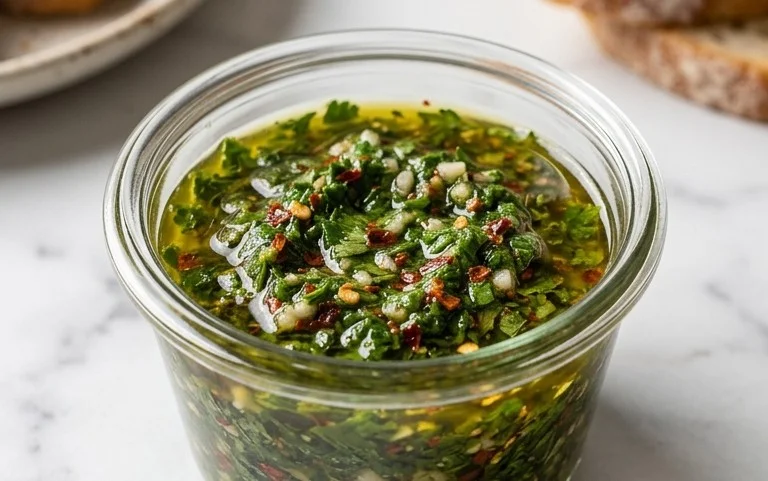
Once all the ingredients are in the food processor or blender, it’s time for the final blend. Pulse the mixture until everything is well combined and you’ve reached your desired consistency. Some people prefer a chunkier chimichurri, where you can still see distinct pieces of herbs and onion. Others like it smoother. For me, a slightly textured sauce is ideal, where the herbs are finely chopped but still visible. If you are using a blender, you might need to scrape down the sides a few times to ensure everything is incorporated evenly. If it seems too thick for your liking, you can add a tiny bit more olive oil or vinegar, a tablespoon at a time, until you achieve the right consistency. The color should be a vibrant, almost electric green, a testament to the freshness of the ingredients.
Step 5: Resting and Serving
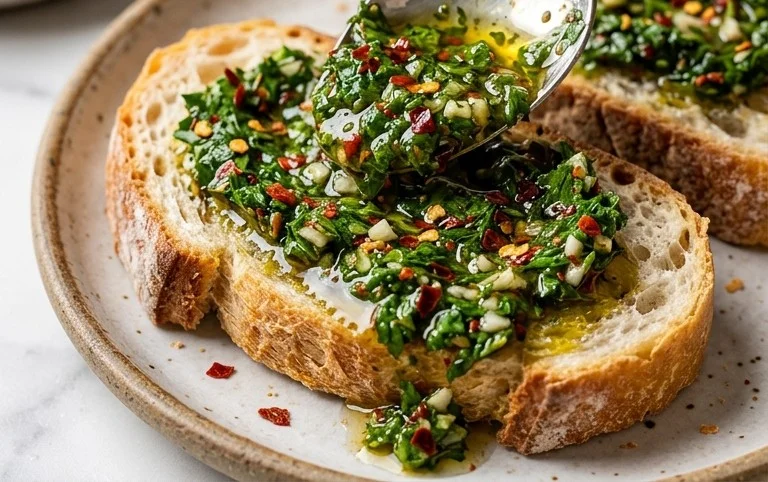
This is perhaps the most important, yet often overlooked, step: letting the chimichurri rest. Transfer your glorious green sauce to an airtight container. For the best flavor, allow it to sit for at least 30 minutes at room temperature, or ideally, refrigerate it for at least an hour, or even better, overnight. This resting period is crucial because it allows all the individual flavors to meld together, creating a complex and harmonious taste profile. The garlic and onion will mellow slightly, and the herbs will infuse the oil and vinegar beautifully. Before serving, give it a good stir. Chimichurri is incredibly versatile. It’s traditionally served with grilled steak (asado), but it’s also fantastic with grilled chicken, fish, beef, lamb, roasted vegetables, potatoes, or even just as a dip for crusty bread. It’s a flavor booster that will have everyone asking for the recipe! I often keep a jar in the fridge and find new ways to use it daily. Enjoy the explosion of fresh flavor!
Conclusion:
There you have it – a vibrant, fresh, and incredibly versatile chimichurri sauce recipe that’s sure to become a staple in your kitchen! What makes this recipe so great is its simplicity and the explosion of flavor it brings to any dish. The bright acidity from the vinegar, the herbaceous punch of fresh parsley and oregano, the subtle heat from the chili flakes, and the richness of olive oil combine to create a truly unforgettable condiment. Whether you’re grilling up some steak, roasting vegetables, or even just looking to elevate some grilled chicken, this chimichurri is your secret weapon.
Don’t be afraid to experiment with serving suggestions! While it’s a classic pairing with grilled meats, I love drizzling it over roasted potatoes, using it as a marinade for fish, or even stirring it into a grain bowl. The possibilities are endless!
As for variations, feel free to adjust the spice level to your preference, or even add a clove of minced garlic for an extra kick. Don’t limit yourself – make this chimichurri sauce recipe your own!
I truly encourage you to give this recipe a try. It’s so easy to whip up, and the payoff in terms of taste is immense. Happy cooking!
Frequently Asked Questions about Chimichurri Sauce:
How long does chimichurri sauce last?
When stored in an airtight container in the refrigerator, this fresh chimichurri sauce will typically last for up to 5-7 days. The olive oil and vinegar act as natural preservatives, but the fresh herbs are best enjoyed within the first few days for optimal flavor.
Can I freeze chimichurri sauce?
While you can freeze chimichurri sauce, the texture of the fresh herbs might change slightly upon thawing. It’s generally best to make it fresh, but if you have a large batch, you can freeze it in ice cube trays for convenient portioning. Once frozen, transfer the cubes to a freezer-safe bag.
Chimichurri Sauce Recipe
A vibrant and herbaceous Argentinian sauce perfect for grilling, marinades, and dipping. This recipe features fresh parsley, cilantro, oregano, garlic, and a zesty vinegar and lemon juice blend.
Ingredients
-
1 cup fresh Italian flat-leaf parsley, leaves only, stems removed
-
1/4 cup fresh cilantro, leaves only, stems removed
-
1/4 cup fresh oregano, leaves only, stems removed
-
1/3 cup roughly chopped red onion
-
3 cloves garlic, peeled
-
1/2 teaspoon red pepper flakes
-
1/2 cup extra-virgin olive oil
-
1/4 cup red grape juice vinegar
-
3 tablespoons fresh lemon juice
-
1 teaspoon kosher salt
Instructions
-
Step 1
Finely chop the fresh parsley, cilantro, and oregano. You can do this by hand or in a food processor. Transfer to a medium bowl. -
Step 2
Add the roughly chopped red onion and minced garlic to the bowl with the herbs. -
Step 3
Stir in the red pepper flakes, red grape juice vinegar, fresh lemon juice, and kosher salt. -
Step 4
Gradually whisk in the extra-virgin olive oil until the sauce is well combined and emulsified. -
Step 5
Taste and adjust seasonings if needed. For best flavor, let the chimichurri sit for at least 10-15 minutes at room temperature to allow the flavors to meld. -
Step 6
Serve as a condiment for grilled meats, poultry, fish, or vegetables. It also makes a great marinade or salad dressing.
Important Information
Nutrition Facts (Per Serving)
It is important to consider this information as approximate and not to use it as definitive health advice.
Allergy Information
Please check ingredients for potential allergens and consult a health professional if in doubt.