The Best Chimichurri Sauce Recipe – Flavorful & Fresh
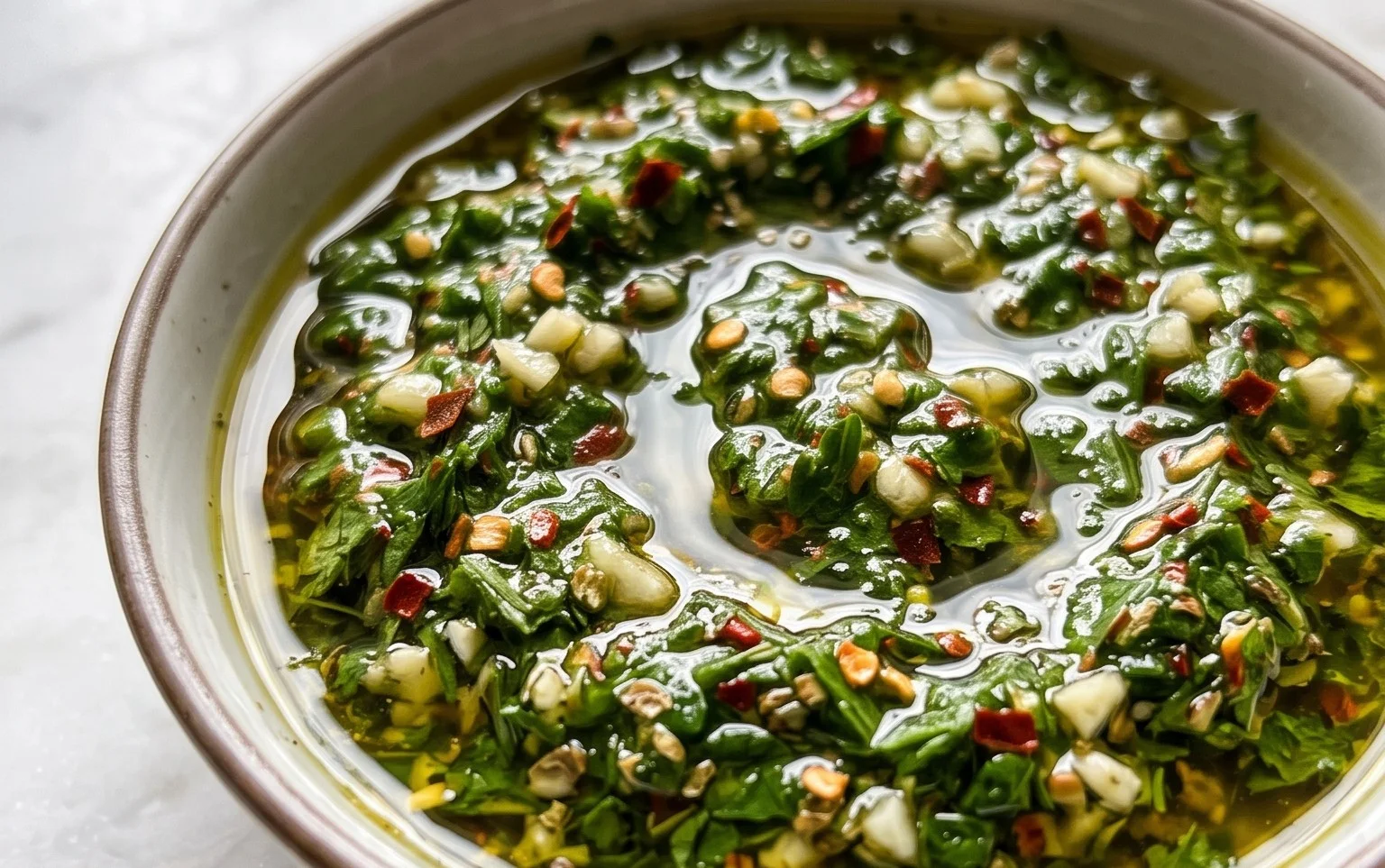
Chimichurri sauce is more than just a condiment; it’s a vibrant explosion of fresh herbs and zesty flavor that elevates practically anything it touches. If you’ve ever grilled a steak in Argentina, you’ve likely encountered this magical green elixir. What makes chimichurri sauce so utterly irresistible? It’s the perfect harmony of parsley and oregano, brightened by garlic and vinegar, with just a whisper of heat from chili flakes. This isn’t your average store-bought sauce. The beauty of homemade chimichurri sauce lies in its incredible freshness and customizable kick. It’s the secret weapon for turning simple grilled meats, roasted vegetables, or even a humble sandwich into a culinary masterpiece. Get ready to unlock a world of flavor with this simple, yet sensational recipe.
The Zesty Argentine Secret: Homemade Chimichurri Sauce
There are some sauces that elevate a dish from good to absolutely unforgettable. Chimichurri is one of those magical creations. Origin extractating from Argentina and Uruguay, this vibrant green sauce is more than just a condiment; it’s a flavor explosion, a tangy, herbaceous symphony that pairs perfectly with grilled meats, roasted vegetables, and even as a vibrant dressing for salads. While you can buy it pre-made, nothing compares to the fresh, bright taste of homemade chimichurri. It’s surprisingly simple to whip up, requiring minimal effort for maximum flavor impact. Forget those jarred versions; let’s dive into making your own authentic, zesty chimichurri that will have everyone asking for the recipe.
Ingredients:
The Foundation: Fresh Herbs and Aromatics
The heart of any great chimichurri lies in its incredibly fresh herbs. We’ll start by prepping these vibrant greens. For the parsley, make sure it’s fresh and dry. You want to pack it in firmly into your measuring cup to get the right amount of herbaceous goodness. Similarly, pack your cilantro. If you’re not a fan of cilantro, you can increase the parsley to 2 cups and omit the cilantro altogether – it will still be delicious, just a slightly different profile. For the oregano, fresh is always best for that punchy, slightly peppery flavor. If you can only find dried, be sure to use the smaller amount, as dried herbs are more concentrated.
Next, we move onto our aromatics. The red onion provides a subtle sweetness and a bit of bite. If you find raw onion a little too strong for your liking, a small shallot is a fantastic milder alternative. For the garlic, three cloves are a good starting point, but feel free to add more if you’re a garlic lover! The key here is to mince everything very finely, or even pulse it in a food processor, to ensure that the flavors distribute evenly throughout the sauce. This step is crucial for achieving that beautifully integrated flavor profile that makes chimichurri so irresistible.
Crafting the Flavor Base
Now that our herbs and aromatics are prepped, it’s time to bring in the liquids that will transform these ingredients into a sauce. The red grape juice vinegar offers a unique, slightly fruity tang that’s characteristic of authentic chimichurri. It’s a bit different from standard red grape juice vinegar, lending a subtle sweetness that balances the acidity. If you can’t find red grape juice vinegar, red grape juice vinegar is a suitable substitute, but you might want to add a tiny pinch of sugar to compensate for the sweetness. Alongside the vinegar, we have fresh lemon juice. This adds another layer of bright, citrusy acidity that cuts through richness and makes the sauce incredibly refreshing.
The salt is essential for bringin extractg out and harmonizing all the flavors. Start with the ½ teaspoon and then, as the recipe progresses, taste and adjust to your preference. Some people like a saltier sauce, while others prefer it more subtle. Finally, for those who enjoy a touch of heat, the red pepper flakes are your friend. They add a gentle warmth that complements the other ingredients without overpowering them. You can adjust the amount to your liking – a pinch for a hint of spice, or more if you’re feeling adventurous!
Bringin extractg It All Together: The Chimichurri Ritual
This is where the magic happens, and it’s as simple as a few swift moves. You have a couple of options for how to combine your ingredients, each yielding a slightly different texture.
Method 1: The Hand-Chopped Classic
For a truly rustic and traditional chimichurri, the hand-chopped method is the way to go. Finely mince your parsley, cilantro, oregano, red onion (or shallot), and garlic. The finer you mince them, the more integrated the flavors will be. Once all your solids are finely chopped, place them in a medium-sized bowl. Add the red grape juice vinegar, fresh lemon juice, salt, and optional red pepper flakes. Stir everything together thoroughly. Now, this is the important part: let this mixture sit for at least 15-30 minutes at room temperature. This allows the vinegar and lemon juice to begin extract to “cook” the herbs and onions, softening them and allowing their flavors to meld beautifully. After this resting period, gradually stream in the olive oil while stirring continuously. Continue stirring until the oil is fully incorporated and the sauce has reached your desired consistency. Taste and adjust salt and red pepper flakes as needed. This method results in a more textured sauce with distinct pieces of herbs and aromatics.
Method 2: The Quick Food Processor Method
If you’re short on time or prefer a smoother sauce, a food processor is your best friend. Add the parsley, cilantro, oregano, red onion (or shallot), and garlic to the bowl of your food processor. Pulse until everything is finely chopped. Be careful not to over-process; you don’t want a paste. Add the red grape juice vinegar, fresh lemon juice, salt, and optional red pepper flakes. Pulse a few more times to combine. With the food processor running on a low setting, slowly drizzle in the olive oil through the feed tube. Continue to process until the sauce is well emulsified and reaches your desired consistency. Some people prefer a slightly chunkier texture, so pulse only until just combined. Others like it smoother, so continue until the desired fineness is achieved. Taste and adjust seasoning. This method is significantly faster and often results in a more homogenous sauce.
The Final Touches and Storage
Regardless of the method you choose, the key to a fantastic chimichurri is quality ingredients and a little patience. Once your chimichurri is mixed, it’s ready to be used! For the absolute best flavor, I like to let it sit for at least another 30 minutes to an hour in the refrigerator before serving. This allows all those wonderful herbaceous and acidic notes to really meld and deepen. You’ll notice the flavors become even more pronounced and harmonious.
When it comes to storage, homemade chimichurri is best enjoyed fresh, but it will keep in an airtight container in the refrigerator for up to a week. The olive oil will solidify slightly when chilled, so you might want to let it sit at room temperature for a few minutes and give it a good stir before serving. This vibrant, zesty sauce is incredibly versatile. Drizzle it generously over grilled steaks, chicken, or fish. It’s also phenomenal with roasted vegetables like potatoes, bell peppers, or asparagus. Don’t be afraid to experiment – try it as a marinade, a dressing for grain bowls, or even mixed into scrambled eggs! Enjoy the bright, bold flavors of your homemade chimichurri!
Conclusion:
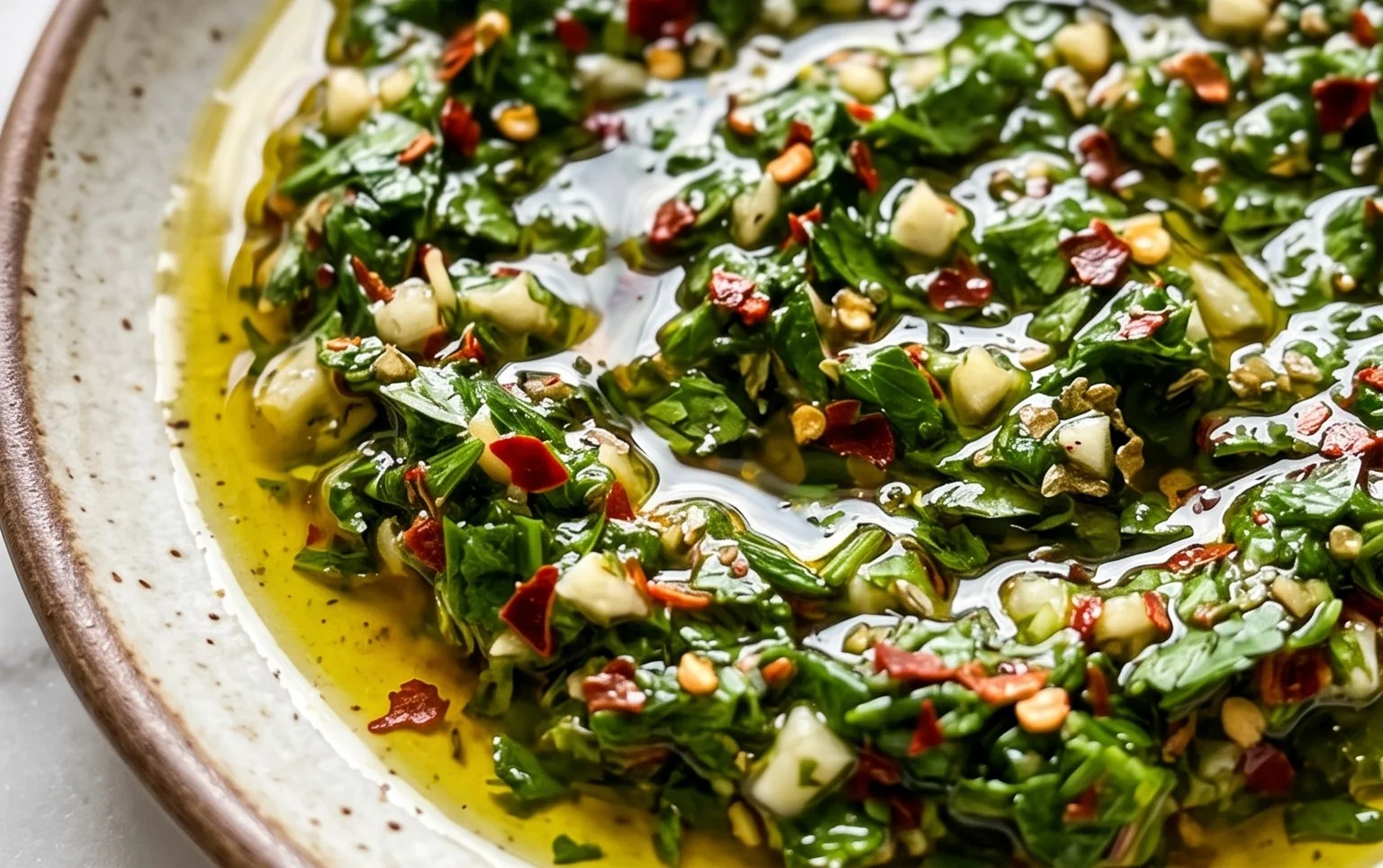
There you have it – a simple yet incredibly flavorful chimichurri sauce recipe that’s sure to become a staple in your kitchen! This vibrant green sauce is a true game-changer, elevating everything from grilled steaks and chicken to roasted vegetables and even simple bread. Its zesty blend of fresh herbs, garlic, vinegar, and olive oil creates a bright, herbaceous punch that cuts through richness and adds a delightful tang. I truly encourage you to give this recipe a try; it’s so easy to whip up and the results are incredibly rewarding, offering a taste of Argentinian flair right in your own home.
Beyond its classic pairings, don’t be afraid to experiment! Try it as a marinade for beef, a drizzle over fish tacos, or even mixed into your favorite salad dressing for an extra kick. The beauty of chimichurri is its versatility. This recipe is fantastic because it’s so adaptable to your personal taste. Adjust the amount of garlic, chili flakes, or even add a touch of lemon juice for extra brightness if you prefer.
Frequently Asked Questions:
How long does chimichurri sauce last?
Stored in an airtight container in the refrigerator, your homemade chimichurri sauce should stay fresh for about 4-5 days. The vibrant green color might fade slightly over time, but the flavor will remain delicious.
Can I make chimichurri ahead of time?
Absolutely! In fact, making it a few hours or even the day before allows the flavors to meld together beautifully, resulting in an even more complex and delicious sauce. Just give it a good stir before serving.
What if I don’t have fresh parsley?
While fresh parsley is key to that bright, herbaceous flavor, you can substitute with a combination of other fresh herbs like cilantro or even a little bit of mint. However, the classic chimichurri flavor profile is best achieved with fresh parsley.
Chimichurri Sauce
A vibrant and herbaceous Argentine sauce, perfect for grilled meats and vegetables.
Ingredients
-
1 1/2 cups well packed fresh parsley
-
1/2 cup well packed fresh cilantro
-
1/4 cup fresh oregano
-
1/4 small red onion
-
3 garlic cloves
-
3 Tbsp red grape juice vinegar
-
2 Tbsp fresh lemon juice
-
1/2 tsp salt
-
1/4 tsp red pepper flakes
-
3/4 cup olive oil
Instructions
-
Step 1
Finely chop the fresh parsley, cilantro, and oregano. If using dried oregano, add it later with the liquids. -
Step 2
Finely mince the red onion and garlic cloves. -
Step 3
In a medium bowl, combine the chopped herbs, minced red onion, and minced garlic. -
Step 4
Add the red grape juice vinegar, fresh lemon juice, salt, and red pepper flakes (if using) to the herb mixture. -
Step 5
Whisk everything together until well combined. -
Step 6
Slowly drizzle in the olive oil while whisking continuously until the sauce emulsifies and thickens slightly. -
Step 7
Taste and adjust seasoning with more salt or red pepper flakes if desired. Let the sauce sit for at least 10 minutes before serving to allow the flavors to meld.
Important Information
Nutrition Facts (Per Serving)
It is important to consider this information as approximate and not to use it as definitive health advice.
Allergy Information
Please check ingredients for potential allergens and consult a health professional if in doubt.